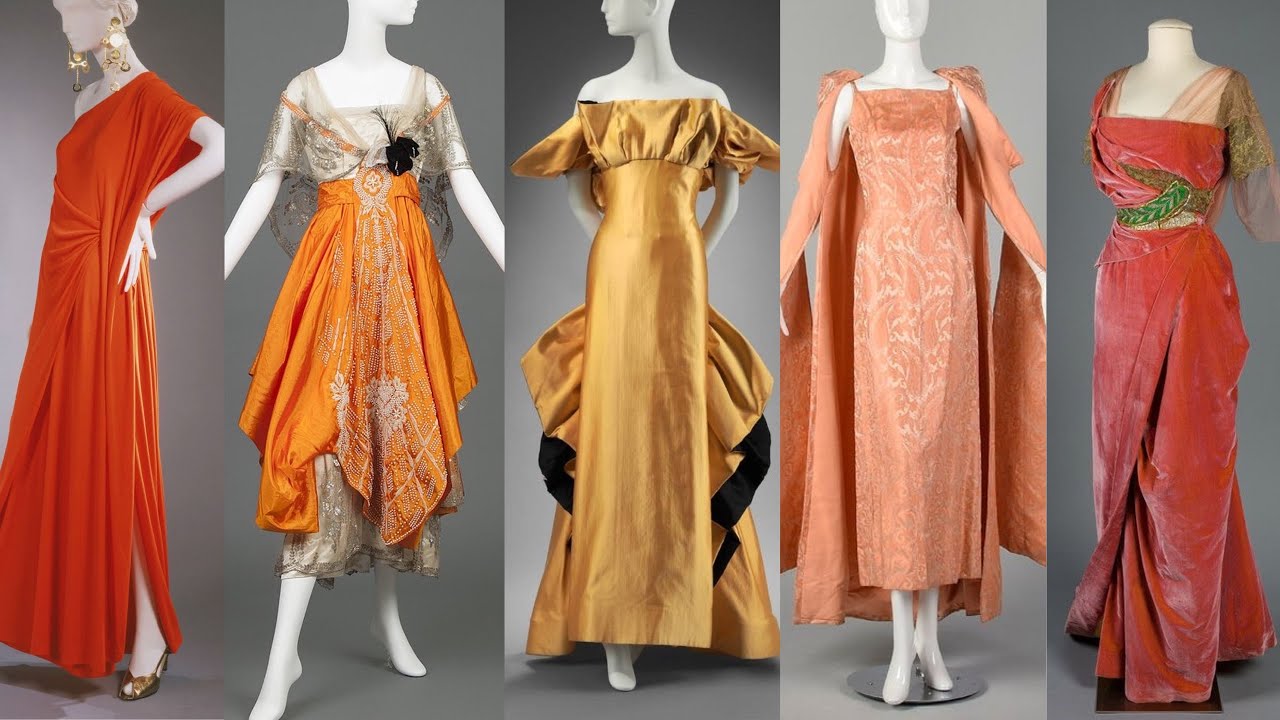
Introduction
Women's garments have actually undergone significant transformations over the decades, mirroring changes in societal standards, fashion patterns, and technological advancements. From the limiting bodices and large skirts of the Victorian age to the liberating and minimal designs these days, women's garments has progressed to welcome comfort, originality, and self-expression. This article explores the interesting trip of how women's garments have actually progressed over the years, checking out essential style movements and iconic pieces that have formed women's style as we understand it today.
The Victorian Period: Restriction and Elegance
During the Victorian age, which extended from 1837 to 1901, women's garments were identified by their intricate styles and focus on modesty. Bodices were an essential item, snugly tied to produce a hourglass number while constraining movement. Outfits included high necklines, long sleeves, and full skirts that created a dramatic shape. Fabrics such as silk, velour, and lace were generally used to include elegance to these garments.
The Rise of Feminine Silhouettes
As the Victorian period proceeded, women's garments saw a shift in the direction of even more womanly silhouettes. The development of the cage crinoline in the mid-19th century transformed skirt forms by changing multiple layers of waistcoats with a lightweight framework. This allowed for bigger skirts that preserved their shape without including excessive weight or restricting movement.
The Arrival of Ready-to-Wear Clothing
With automation gaining energy in the late 19th century, ready-to-wear apparel became a lot more obtainable to women from various social classes. Automation methods made it much easier for women to get fashionable garments without having them custom-made. This marked a considerable action in the direction of democratizing style and offering greater options for women.
The Roaring Twenties: Flappers and Freedom
The 1920s, likewise called the Roaring Twenties, observed a seismic change in women's style. The aftermath of World War I and the suffrage activity resulted in newfound liberty and freedom for women. This liberation was shown in their apparel choices.
The Surge of the Flapper Dress
Flapper outfits became emblematic of the Jazz Age and women's wish to break away from standard standards. These dresses were identified by their dropped midsections, loose shapes, and much shorter hemlines that revealed extra skin. Fabrics like silk and chiffon were typically made use of to develop flowing and light-weight garments. Fringes, bangles, and elaborate beadwork added a touch of beauty to flapper dresses.
Embracing Androgyny
The 1920s additionally saw women embracing androgynous styles motivated by the "garconne" look promoted by French designer Coco Chanel. Women began wearing trousers, blazers, and also reducing their hair short. This separation from gender norms tested societal expectations and paved the way for greater sartorial liberty for future generations.
The Moving Sixties: Mini Skirts and Vibrant Rebellion
The 1960s marked a years of transformation in both society and fashion. The youth-driven counterculture activities of the time influenced women's clothes choices, introducing a period of dynamic colors, bold hemlines, and unusual designs.
The Iconic Mini Skirt
Perhaps one of the most famous garment of the 1960s was the mini skirt. British developer Mary Quant is usually attributed with promoting this daring style that reinvented women's fashion. The mini skirt, which generally dropped well above the knee, represented vibrant rebellion and a denial of conservative values.
Embracing Pop Art Prints
The 1960s additionally saw a surge of pop art prints on women's garments. Bold geometric patterns, psychedelic swirls, and vibrant colors came to be identified with the age. This lively and eccentric strategy to style reflected the spirit of the time and enabled women to reveal their individuality.
The Modern Era: Flexibility and Empowerment
In recent decades, women's garments have become progressively versatile, reflecting the changing roles and way of livings of women. Comfort, functionality, and self-expression have taken center stage in modern-day fashion.
The Increase of Athleisure
The 21st century saw the surge of athleisure, a trend that blurred the lines in between activewear and everyday clothing. Women welcomed tights, sports bras, and sneakers as fashionable closet staples. This change in the direction of comfort and functionality showed an expanding emphasis on health, physical fitness, and an extra casual method to dressing.
Sustainable Style: An Expanding Movement
With ecological concerns ending up being extra famous, lasting style has actually acquired grip in the last few years. Women are increasingly seeking out green alternatives such as natural cotton, recycled products, and honest manufacturing techniques. This motion aims to decrease the environmental impact of the fashion industry while still permitting women to reveal their style.
FAQs
Q: Exactly how has innovation affected the development of women's garments? A: Innovation has https://griffinwukb.bloggersdelight.dk/2025/04/19/womens-garments-recognizing-the-importance-of-top-quality-clothing/ actually played a substantial duty fit women's garments over the decades. From the creation of stitching devices that quickened manufacturing processes to advancements in material technologies like synthetic fibers and stretch products, technology has actually enabled better imagination, convenience, and toughness in women's clothing.
Q: What effect did World War II have on women's fashion? A: The second world war produced sensible changes in women's style due to rationing and a change in the direction of war time manufacturing. Women began putting on a lot more practical apparel that was fit for manufacturing facility job or armed forces solution. This duration also saw a boost in pants-wearing as they provided higher movement for women taken part in various functions throughout the battle effort.
Q: Exactly how did social movements affect women's style during the 20th century? A: Social movements such as feminism, civil rights, and LGBTQ+ rights have actually had an extensive influence on women's fashion throughout the 20th century. These motions challenged social norms and paved the way for more comprehensive and diverse style choices. Women began using pantsuits as a sign of empowerment, welcomed gender-neutral clothing, and celebrated their originality via fashion.
Q: Who were some prominent designers fit women's style over the decades? A: Numerous developers have actually left an enduring mark on women's style. Coco Chanel transformed women's apparel by introducing comfortable and useful layouts. Christian Dior promoted the hourglass silhouette with his "Face-lift" collection. Vivienne Westwood challenged standard norms with her punk-inspired designs. Each of these developers contributed to the development of women's garments in their special ways.
Q: Exactly how has globalization affected women's fashion? A: Globalization has actually made it simpler for fashion fads to spread across borders and influence women's clothes selections worldwide. With enhanced access to international brand names, social exchange, and online shopping, women can now accept designs from different cultures, developing an extra varied and diverse fashion landscape.
Q: What does the future hold for women's garments? A: The future of women's garments is likely to be shaped by sustainability, inclusivity, and modern technology. As customers become extra conscious of their ecological impact, lasting techniques will certainly remain to get momentum. In addition, there will certainly be a greater focus on developing clothing that deals with diverse physique and cultural histories. Technological improvements such as 3D printing and wise textiles may likewise reinvent the means we create and generate women's garments.
Conclusion
The development of women's garments over the years is a testimony to the ever-changing nature of culture, culture, and private expression. From the restrictive bodices of the Victorian era to the liberating styles of the modern-day age, women's style has actually undertaken incredible transformations. As women remain to assert their identification and need apparel that mirrors their values, it is particular that the journey of how women's garments advance will continue to captivate and motivate generations to come.